Noticing the early signs of hair loss can be a distressing experience — especially because hair plays such a central role in how women see themselves. The challenge is that hair loss rarely happens overnight. It’s gradual, easy to dismiss at first, and often well underway before most women realize something is wrong. The earlier you recognize the signs, the more options you have.
At Hair for Life Center, we’ve spent over 30 years working with women at every stage of hair loss. Here’s what to look for — and what to do if you’re seeing the early warning signs.
6 Early Signs of Hair Loss in Women
Female hair loss rarely looks like what most people picture — a receding hairline or bald patch. In women, thinning tends to be diffuse, meaning it spreads gradually across the scalp. These are the most common early indicators:
1. More Hair Than Usual in Your Brush or Shower
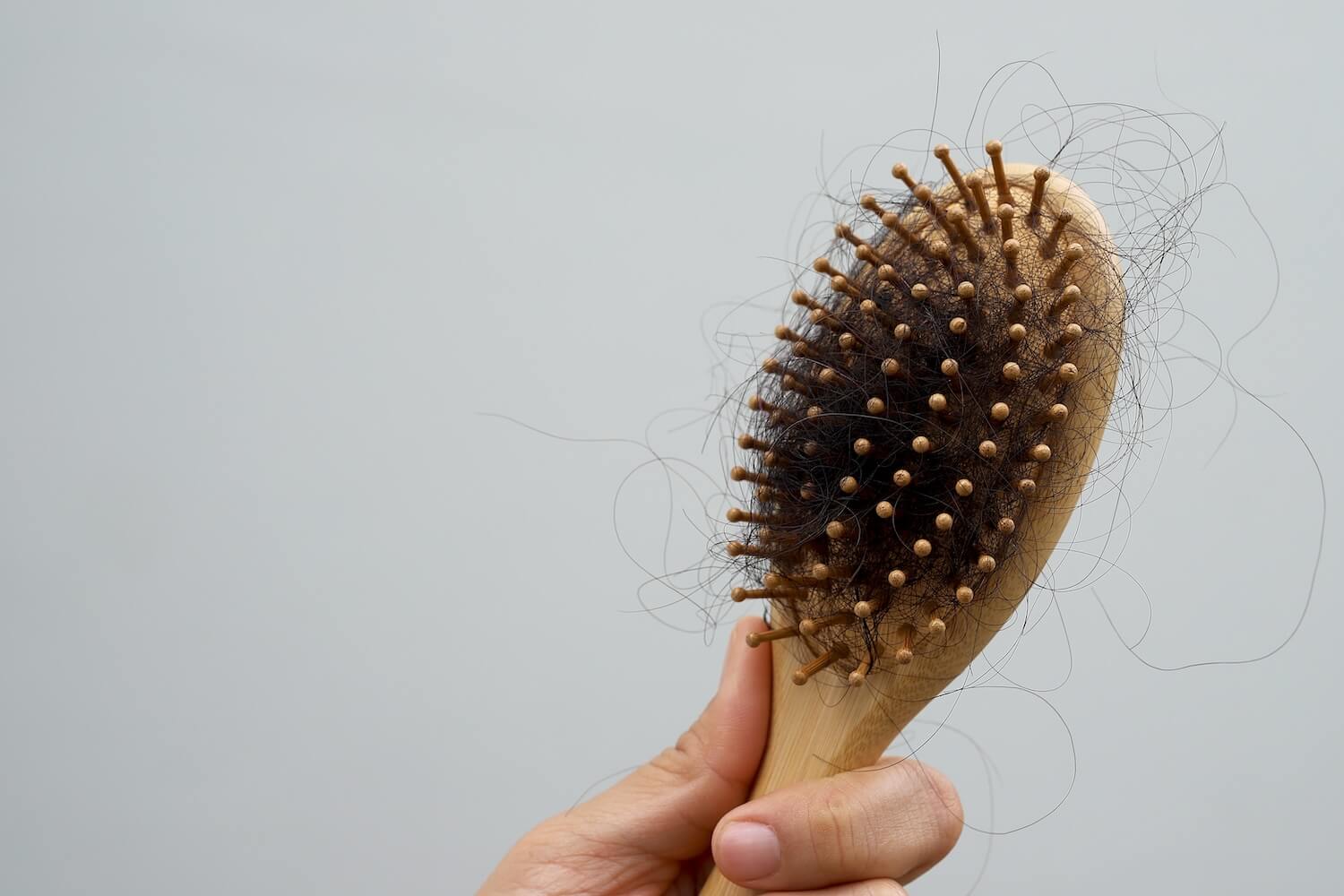
It’s completely normal to shed 50–100 strands per day. But if you’re consistently pulling clumps from your brush, finding hair on your pillow, or watching more than usual spiral down the shower drain — and it’s been happening for several weeks — that’s worth paying attention to. Occasional heavy shedding after stress or illness is normal; persistent shedding is not.
2. A Widening Part
One of the most reliable early signs of hair loss in women is a part that appears to be getting wider. Because women’s hair loss is typically diffuse, the part line is often where decreased density becomes visible first. Check photos from a year or two ago — if your part looks noticeably wider today, take note.
3. A Thinner Ponytail
If your ponytail used to be thick and full and now feels noticeably smaller in circumference, that’s a measurable sign of overall density loss. This is one of the more objective early indicators because it’s something you can physically feel rather than just observe.
4. More Visible Scalp
If you’re beginning to see your scalp while styling your hair — particularly under bright bathroom lights or in direct sunlight — your hair density may be decreasing. Because this change is gradual, it can be hard to notice in real time. Looking back at older photos can help you gauge whether the change is significant.
5. Changes in Hair Texture
Hair that was once strong and resilient may start to feel finer, more brittle, or prone to breakage. This textural shift can be one of the earliest signs of hair loss — the follicle is producing a thinner, weaker strand before it stops producing altogether. If your hair feels different and you haven’t changed your products or routine, that’s meaningful.
6. Scalp Irritation or Persistent Itching
A constantly irritated, flaky, or itchy scalp isn’t always a direct cause of hair loss — but it can be a sign of an underlying condition like seborrheic dermatitis, psoriasis, or hormonal shifts that create an environment where hair loss is more likely. Scalp health and hair health are directly connected.
Common Causes of Early Hair Loss in Women
Hair loss in women is rarely caused by a single factor. The most common contributors include:
- Hormonal changes — fluctuations during pregnancy and postpartum recovery, perimenopause, and menopause are among the most frequent triggers. Learn more about hormonal hair loss.
- Chronic stress — prolonged physical or emotional stress can push hair follicles into a resting phase, causing diffuse shedding weeks or months later. See our page on stress-related hair loss.
- Nutritional deficiencies — low iron, insufficient protein, and deficiencies in zinc, biotin, and vitamin D are all linked to increased shedding and weakened strands.
- Harsh chemical treatments — repeated coloring, relaxers, and heat damage can weaken the hair shaft and contribute to chemical breakage.
- Alopecia — an autoimmune condition that can cause patchy or diffuse loss. Read more about alopecia.
- Trichotillomania — a hair-pulling disorder that often begins subtly. Learn more on our trichotillomania page.
For a full overview, visit our Women’s Hair Loss guide.
What to Do When You Notice the Early Signs
The sooner you act, the more options you have. Here’s what we recommend:
- See a dermatologist or your primary care physician. A blood panel can identify nutritional deficiencies, thyroid issues, or hormonal imbalances that may be contributing to your hair loss.
- Look at your diet. Make sure you’re getting adequate protein, iron, omega-3 fatty acids, and key vitamins. Deficiencies are more common than most women realize — especially iron.
- Be gentle with your hair. Avoid harsh chemical treatments, tight hairstyles, and heat until you understand what’s driving the loss.
- Document what you’re seeing. Photos of your part, ponytail circumference, and hairline over time give you (and any professional you consult) useful data.
- Don’t wait. Many women wait 1–2 years before seeking help. The earlier you address it, the more choices you have.
How Hair for Life Center Can Help
You are not alone — and there are real solutions available that don’t require surgery, harsh chemicals, or a long recovery.
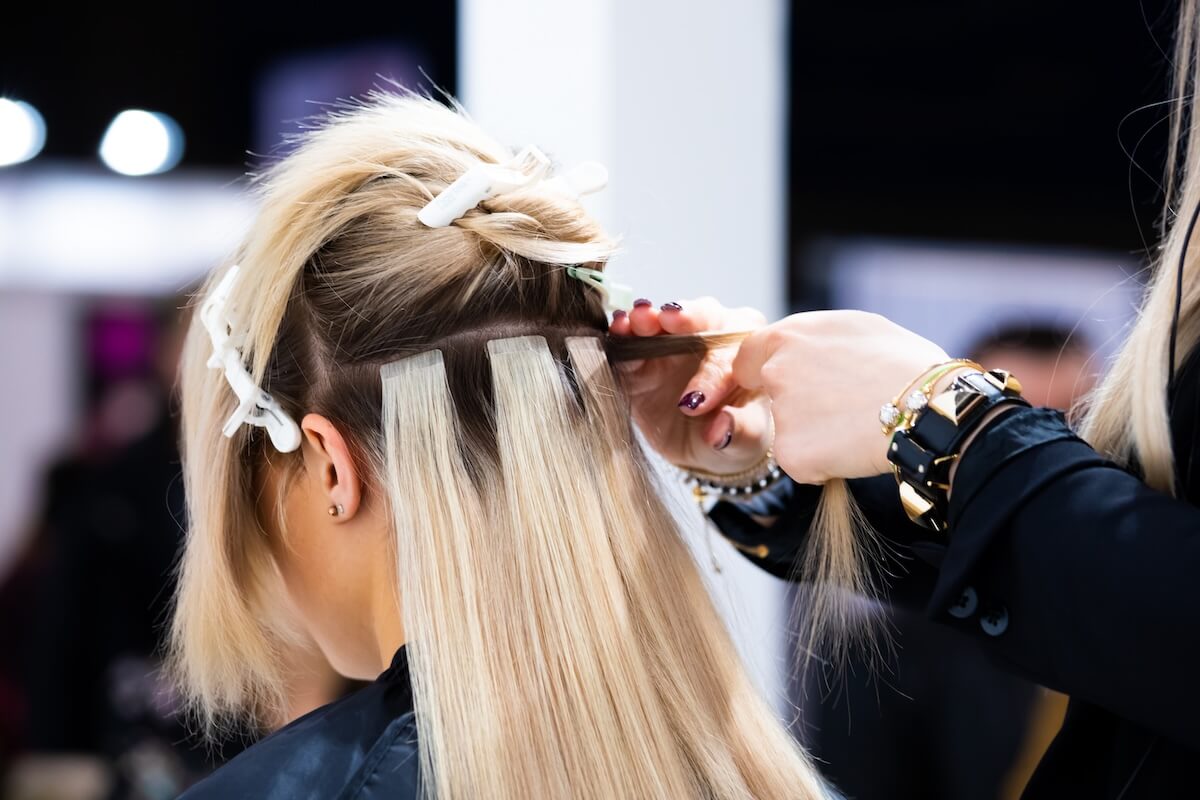
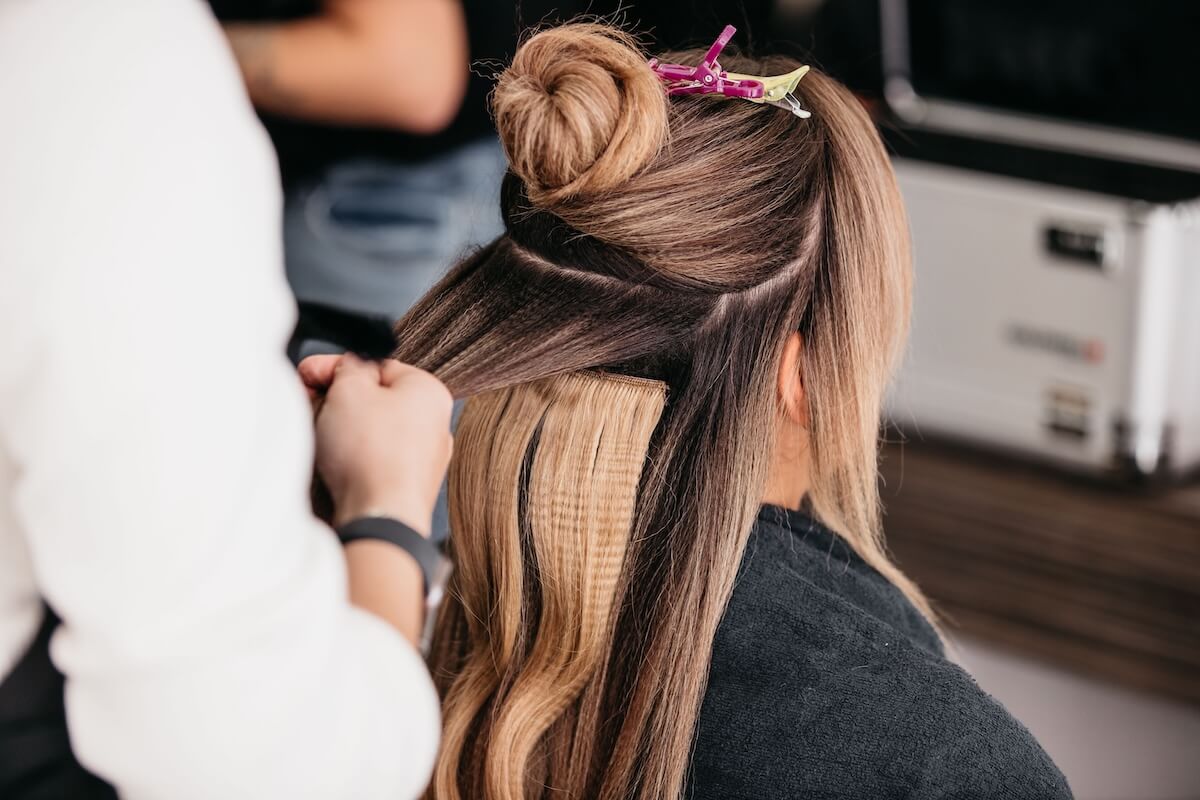
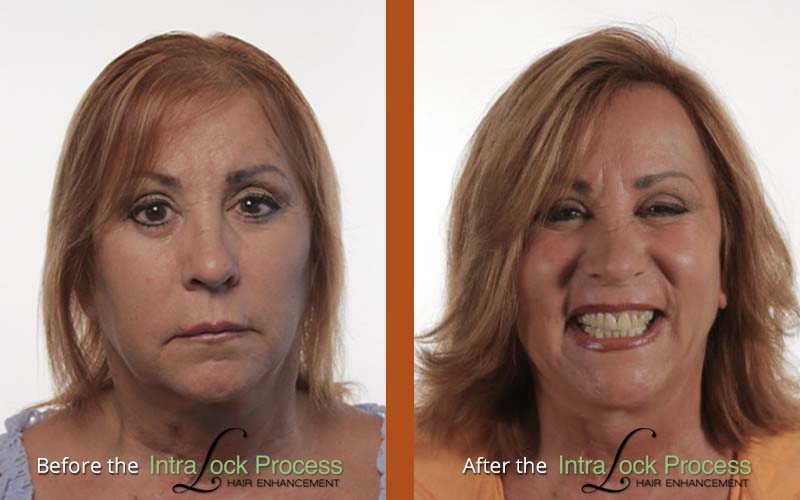
Our Intralock Process is a proprietary hair restoration technique that integrates seamlessly with your existing hair — no glues, no metal clips or cylinders. Whether you’re in the earliest stages of thinning or have experienced more significant loss, we’ll give you an honest assessment and walk you through your options before you commit to anything.
See real results from real clients, then schedule a free consultation to talk about what’s right for you.
Frequently Asked Questions
What are the first signs of hair loss in women?
The earliest signs of hair loss in women typically include a widening part, a thinner ponytail, increased hair in the brush or shower drain, more visible scalp under bright light, and changes in hair texture. Because female hair loss tends to be diffuse rather than patterned, it can be subtle at first and easy to miss.
How much hair shedding is normal?
Losing 50–100 strands per day is considered normal. If you’re consistently shedding significantly more than that — particularly over several weeks — it may be a sign of hair loss worth investigating with a dermatologist or physician.
At what age does hair loss start in women?
Hair loss in women can begin at any age, but it becomes more common after age 40 and is particularly prevalent around perimenopause and menopause due to hormonal changes. That said, many women in their 20s and 30s experience hair thinning related to stress, nutritional deficiencies, postpartum changes, or autoimmune conditions.
Can early hair loss be reversed?
In some cases, yes — particularly when hair loss is caused by a nutritional deficiency, hormonal imbalance, or temporary stress event. Addressing the underlying cause early can slow or stop further loss. For cases where the follicle is no longer active, non-surgical restoration options like the Intralock™ Process can restore the appearance of full, natural hair.
Is a widening part always a sign of hair loss?
A gradually widening part is one of the most common early indicators of diffuse hair loss in women. It typically reflects a decrease in overall hair density rather than localized shedding. Comparing current and older photos can help determine whether the change is meaningful.
When should I see a doctor about hair loss?
If you’ve noticed consistent shedding for more than 2–3 months, visible scalp where you didn’t before, a noticeably thinner ponytail, or patchy loss anywhere on your scalp, it’s worth consulting a dermatologist. Early diagnosis gives you the most options. You can also schedule a consultation with Hair for Life Center to discuss non-surgical restoration options.