If you’re researching hair restoration options, you’ve likely come across two broad categories: surgical procedures like hair transplants, and non-surgical solutions like extensions, topical treatments, and restoration processes. Both promise results — but they differ dramatically in terms of risk, recovery, cost, and long-term outcomes. At Hair for Life Center, we’ve spent over 30 years helping women restore their hair without surgery, and we want to give you an honest breakdown of what each path actually involves.
What Is Surgical Hair Restoration?
Surgical hair restoration typically refers to hair transplant procedures — most commonly Follicular Unit Extraction (FUE) or Follicular Unit Transplantation (FUT). These procedures involve removing hair follicles from a donor area (usually the back of the scalp) and implanting them into thinning or balding areas.
While transplants can produce permanent results for the right candidate, they come with significant considerations:
- Require a sufficient donor hair supply — not all women qualify
- Involve incisions, anesthesia, and a recovery period of several weeks
- Results take 9–18 months to fully appear
- Scarring is possible, particularly with FUT (strip) methods
- Do not address the underlying cause of hair loss
- Cost ranges from $4,000–$15,000+ depending on the extent of loss
For many women — especially those with diffuse thinning, hormonal hair loss, or conditions like alopecia — surgical transplants are not an appropriate option.
What Is Non-Surgical Hair Restoration?
Non-surgical hair restoration covers a wide range of approaches, from over-the-counter topical treatments (like minoxidil) to laser therapy, PRP injections, hair systems, and strand-by-strand hair integration processes. The quality and permanence of results varies widely across these options.
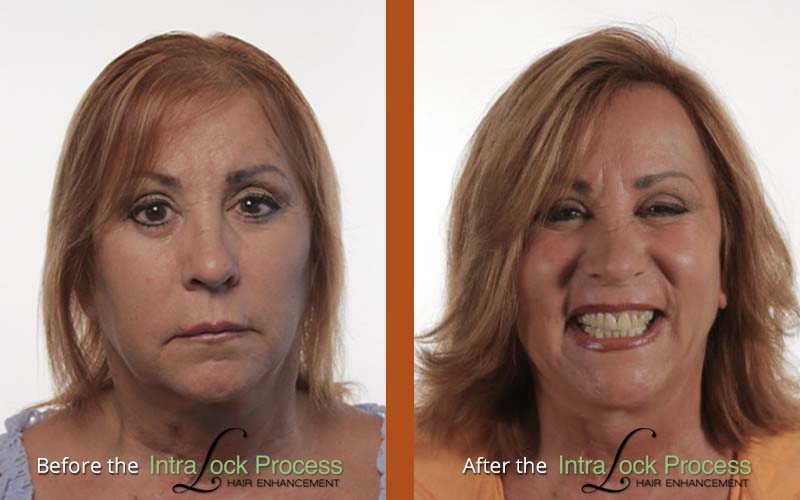
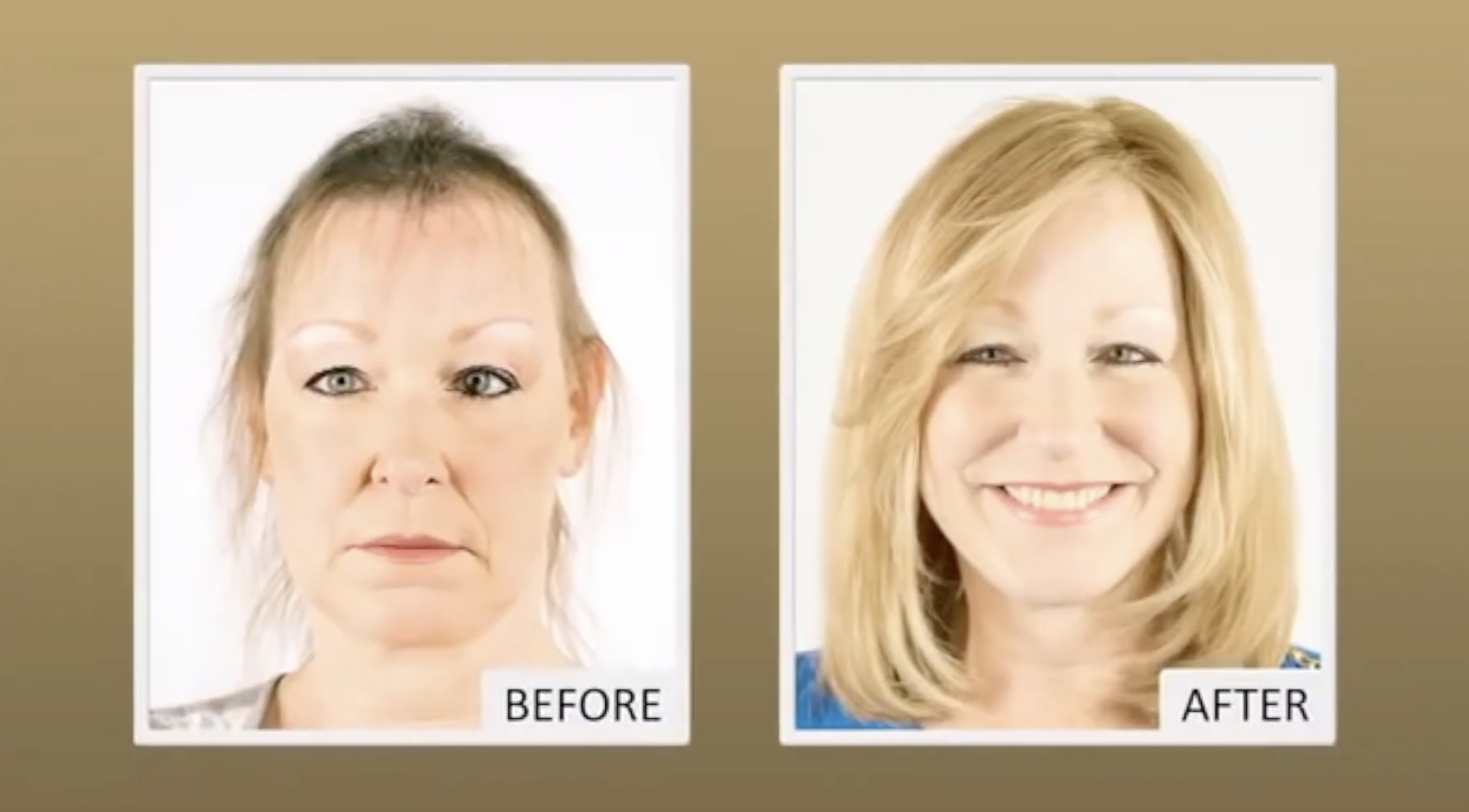
At Hair for Life Center, our non-surgical solution is the Intralock Process — a proprietary hair enhancement method developed over 30 years ago. It’s not a wig, a topper, or a clip-in. The new hair blends seamlessly with your existing hair.
Surgical vs. Non-Surgical: Side-by-Side Comparison
| Factor | Surgical (Hair Transplant) | Non-Surgical (Intralock™ Process) |
|---|---|---|
| Procedure type | Invasive surgery | Non-invasive, no incisions |
| Recovery time | 2–4 weeks downtime | None — walk out same day |
| Visible results | 9–18 months post-surgery | Immediate |
| Candidate requirements | Adequate donor hair required | Works for most hair loss types |
| Addresses root cause | No | No — restores appearance; consult physician for underlying cause |
| Scarring risk | Yes (FUT especially) | None |
| Suitable for women | Limited — diffuse loss often disqualifies | Yes — designed with women in mind |
| Styling flexibility | Natural but limited during recovery | Full — swim, exercise, style freely |
Why Many Women Choose Non-Surgical
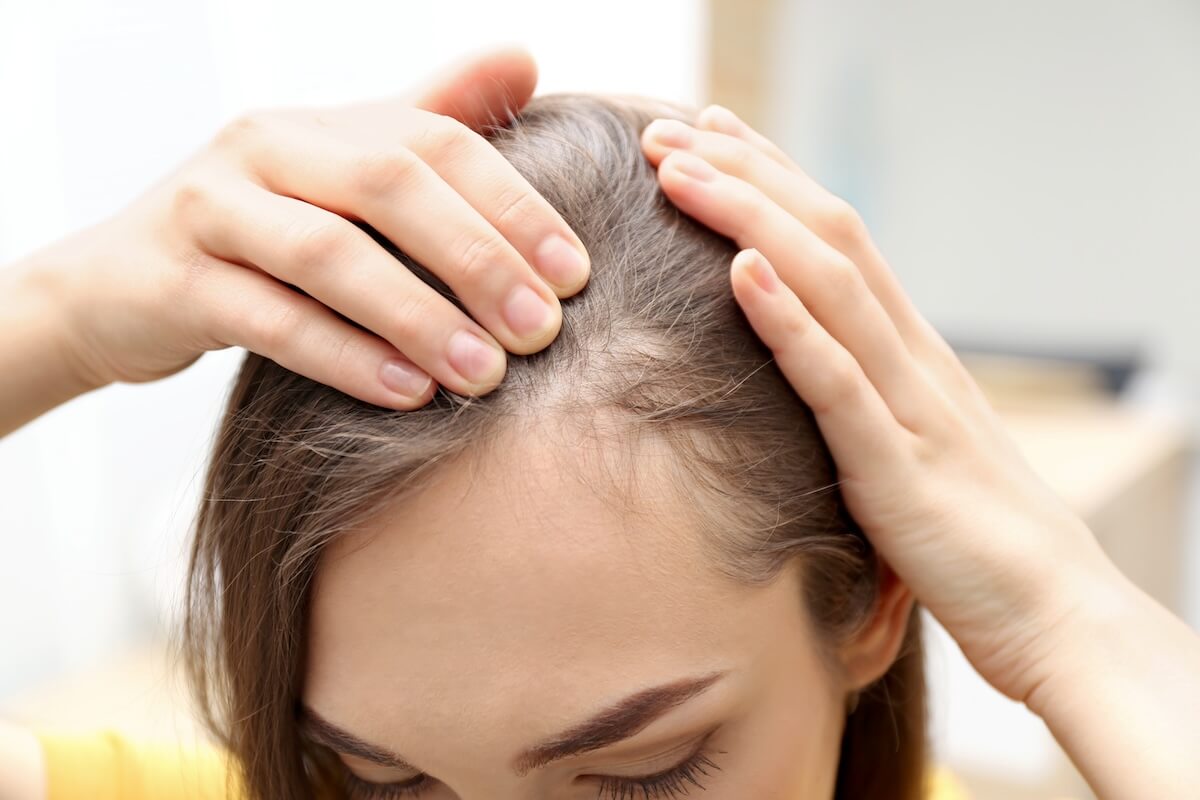
Surgery is not always the answer — and for the majority of women experiencing hair loss, it’s not even an option. Conditions like hormonal hair loss, postpartum shedding, stress-related thinning, and alopecia often cause diffuse loss across the scalp — which means there’s no clean donor area to harvest from.
Non-surgical options like the Intralock Process are also the only viable path for women who:
- Want immediate results without weeks of recovery
- Are not surgical candidates due to health conditions
- Have experienced chemotherapy-related hair loss
- Are dealing with trichotillomania or alopecia
- Simply don’t want to undergo an invasive procedure
Is the Intralock Process Right for You?
The Intralock Process was developed specifically for women experiencing hair loss of all types and severities. Whether you’re in the early stages of thinning or dealing with significant loss, we’ll assess your hair and scalp and walk you through exactly what to expect — before you commit to anything.
We’ve worked with women experiencing every type of hair loss, from hormonal changes to medical conditions. Our process is gentle and customized to move with your life — not interrupt it.
Schedule a free consultation and let’s talk about what’s right for you.
Frequently Asked Questions
Can women get hair transplants?
Women can technically undergo hair transplant surgery, but many are not good candidates. Female hair loss is often diffuse (spread across the scalp) rather than patterned, which means there may not be a sufficient donor area to harvest follicles from. A consultation with a board-certified surgeon is required to determine eligibility.
How is the Intralock Process different from a hair toppers or wig?
The Intralock Process is a proprietary technique where individual human hair strands are blended between your fine existing hair. You can swim, exercise, sleep, and style your hair exactly as you would naturally.
What types of hair loss does the Intralock Process work for?
The Intralock Process works for a wide range of hair loss causes including hormonal thinning, alopecia, postpartum shedding, stress-related loss, chemotherapy hair loss, trichotillomania, and damage from chemical treatments. Learn more on our Women’s Hair Loss overview page.
How do I know which hair restoration option is right for me?
The best way to find out is to schedule a consultation. At Hair for Life Center, we assess your hair type, degree of loss, lifestyle, and goals before making any recommendation. There’s no pressure — just an honest conversation. Contact us to get started.
Sources: International Society of Hair Restoration Surgery (ISHRS)