Hair loss in women is more common than most people realize — and it almost always has an underlying cause. Understanding what’s driving the loss is the first step toward addressing it. At Hair for Life Center, we’ve spent over 30 years working with women experiencing every type and stage of hair loss. Below are the seven most common causes we see — and what you should know about each one.
1. Hormonal Hair Loss
Hormones are one of the most significant drivers of hair loss in women. Fluctuations in estrogen and progesterone — whether from perimenopause, menopause, thyroid dysfunction, or conditions like polycystic ovary syndrome (PCOS) — can push hair follicles into a resting phase and trigger widespread shedding.
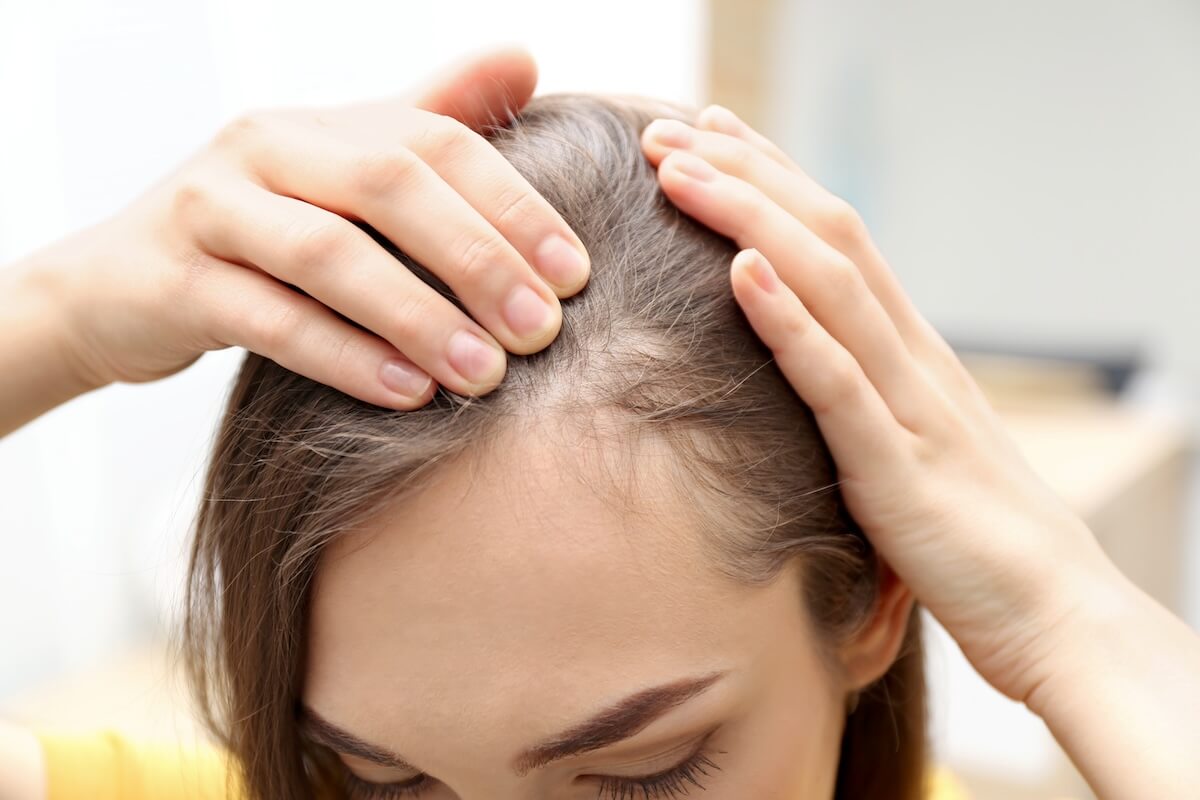
Unlike male pattern baldness, hormonal hair loss in women tends to be diffuse, meaning it thins across the entire scalp rather than receding at the hairline. Many women first notice a widening part or a thinner ponytail before realizing something has changed.
Hormonal hair loss is one of the most treatable forms when caught early — but it can also become persistent if the underlying hormonal imbalance isn’t addressed. Learn more about hormonal hair loss and restoration options.
2. Stress-Related Hair Loss
Chronic stress takes a measurable physical toll — and your hair is often one of the first places it shows up. When the body is under prolonged stress, it can redirect energy away from hair production as a self-preservation response, pushing large numbers of follicles into a resting phase simultaneously. The result is a condition called telogen effluvium: diffuse shedding that often begins two to four months after the stressful period itself.
This delayed timeline is what makes stress-related hair loss so confusing. A woman may feel like things have stabilized emotionally and then suddenly notice significant shedding — and not connect the two. Physical stressors like illness, surgery, or rapid weight loss can trigger the same response as emotional stress.
For some women, shedding resolves once the stressor is removed. For others, especially those under ongoing chronic stress, the loss can persist and require intervention. Learn more about stress-related hair loss.
3. Trichotillomania
Trichotillomania is a body-focused repetitive behavior disorder characterized by recurrent, compulsive urges to pull hair from the scalp, eyebrows, eyelashes, or other areas of the body. It’s far more common than most people realize, and it’s frequently misunderstood — often dismissed as a nervous habit rather than recognized as a mental health condition.
It tends to develop during preadolescence, with peak onset between ages 9 and 13, though it can emerge at any age. The hair loss pattern is typically irregular and patchy, concentrated in areas that are easy to reach. Many women with trichotillomania experience significant shame around the condition, which can delay them from seeking help.
The most important thing to understand is that trichotillomania is not a choice — it’s a recognized disorder, and both the behavioral and cosmetic sides of it can be addressed. Read our full guide to trichotillomania and hair restoration.
4. Chemotherapy-Related Hair Loss
Chemotherapy targets rapidly dividing cells — which is what makes it effective against cancer, and also why it affects hair. Hair follicle cells divide quickly, making them vulnerable to the same drugs that fight tumors. Hair loss typically begins within two to four weeks of starting treatment and can affect the scalp, eyebrows, eyelashes, and body hair.
The scalp may feel tender or sensitive during active treatment, and the first two months are often the most difficult in terms of visible loss. The timeline for regrowth varies — some women see new growth before treatment ends, while others wait several months after completing chemotherapy. New hair may initially come in with a different texture or color, which typically normalizes over time.
You don’t have to wait out the entire process without options. Non-surgical hair restoration can provide a natural, comfortable solution during and after treatment. Learn more about hair restoration during chemotherapy.
5. Alopecia
Alopecia is an umbrella term for a group of conditions that cause hair loss, the most common of which is alopecia areata — an autoimmune condition in which the body’s immune system mistakenly attacks hair follicles. This results in patchy hair loss that can occur anywhere on the scalp or body, and can range from small coin-sized patches to more extensive or complete loss.
Other forms include traction alopecia (caused by prolonged tension on the hair from tight styles) and androgenetic alopecia (female pattern hair loss driven by genetics and hormones). Each type has a different presentation and requires a different approach.
Alopecia can be unpredictable — periods of loss may be followed by regrowth, then loss again. Non-surgical restoration offers a stable, natural-looking option regardless of where someone is in that cycle. Learn more about alopecia and what can be done.
6. Postpartum Hair Loss
Many new mothers are caught off guard by the amount of hair they shed in the weeks and months following delivery. During pregnancy, elevated estrogen levels keep hair in a prolonged growth phase — which is why many women enjoy thicker, fuller hair while pregnant. After delivery, estrogen levels drop sharply, and all of that hair that was “held” during pregnancy begins to shed at once.
This condition, called postpartum telogen effluvium, typically peaks around three to four months after delivery and can last for several months. For most women it resolves on its own within six to twelve months, but the volume of shedding — often dramatic — can be alarming and emotionally difficult in an already demanding period.
For women whose hair doesn’t fully recover, or who want to restore their hair while waiting for regrowth, non-surgical options are available. Learn more about postpartum hair loss.
7. Hair Loss from COVID
For many women, hair loss after COVID came as a complete surprise — appearing weeks or even months after recovery, long after they thought the hardest part was behind them. COVID-19 triggers a form of hair loss called telogen effluvium, where the physical stress of the infection pushes a large number of follicles into a resting phase at the same time. The result is diffuse, significant shedding across the entire scalp.
Unlike pattern hair loss, post-COVID shedding tends to affect the scalp evenly — showing up as a thinner ponytail, a wider part line, or noticeably more hair in the shower and on the pillow. For most women, it begins two to three months after infection and can continue for several months before stabilizing.
While post-COVID hair loss often resolves on its own over time, the shedding in the meantime can be dramatic and emotionally difficult to navigate. For women who want to restore their hair now — without waiting — non-surgical options are available.
What All Seven Have in Common
Whether the cause is hormonal, behavioral, medical, or mechanical — hair loss affects how women feel about themselves in a profound way. Hair is tied to identity, confidence, and self-expression. Losing it, for any reason, deserves to be taken seriously.
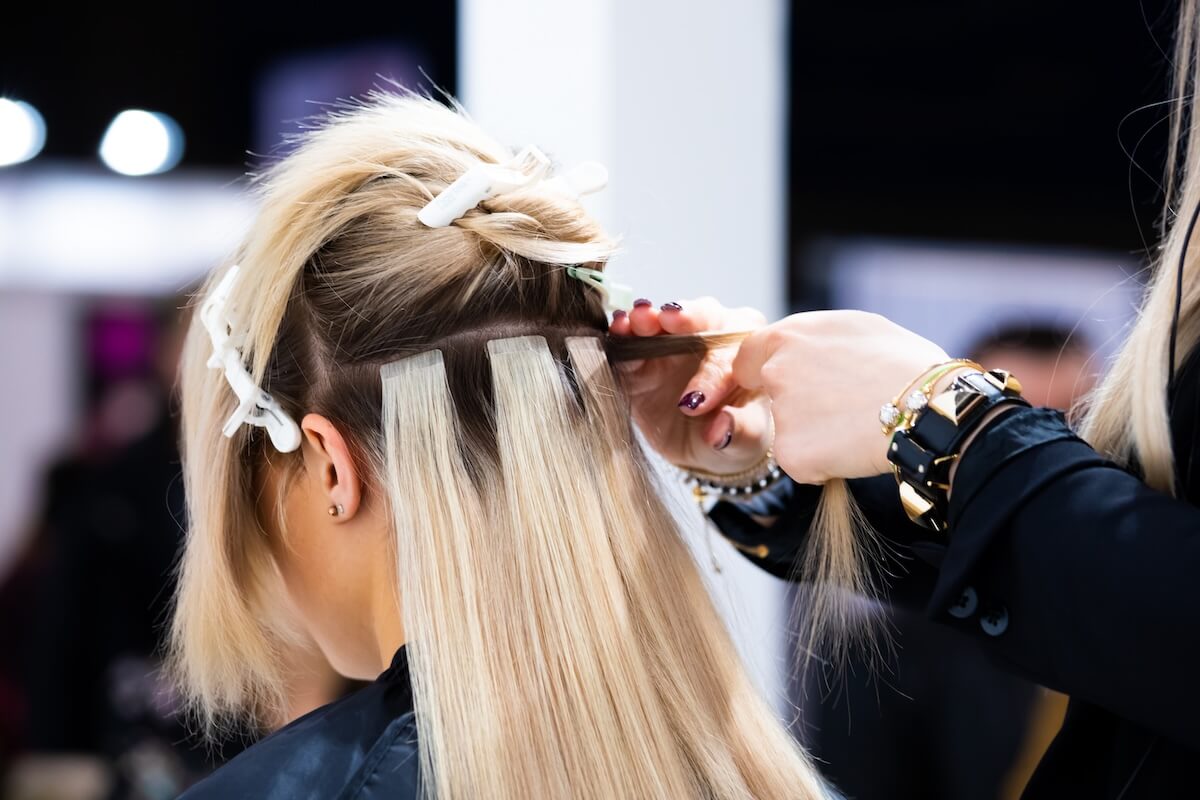
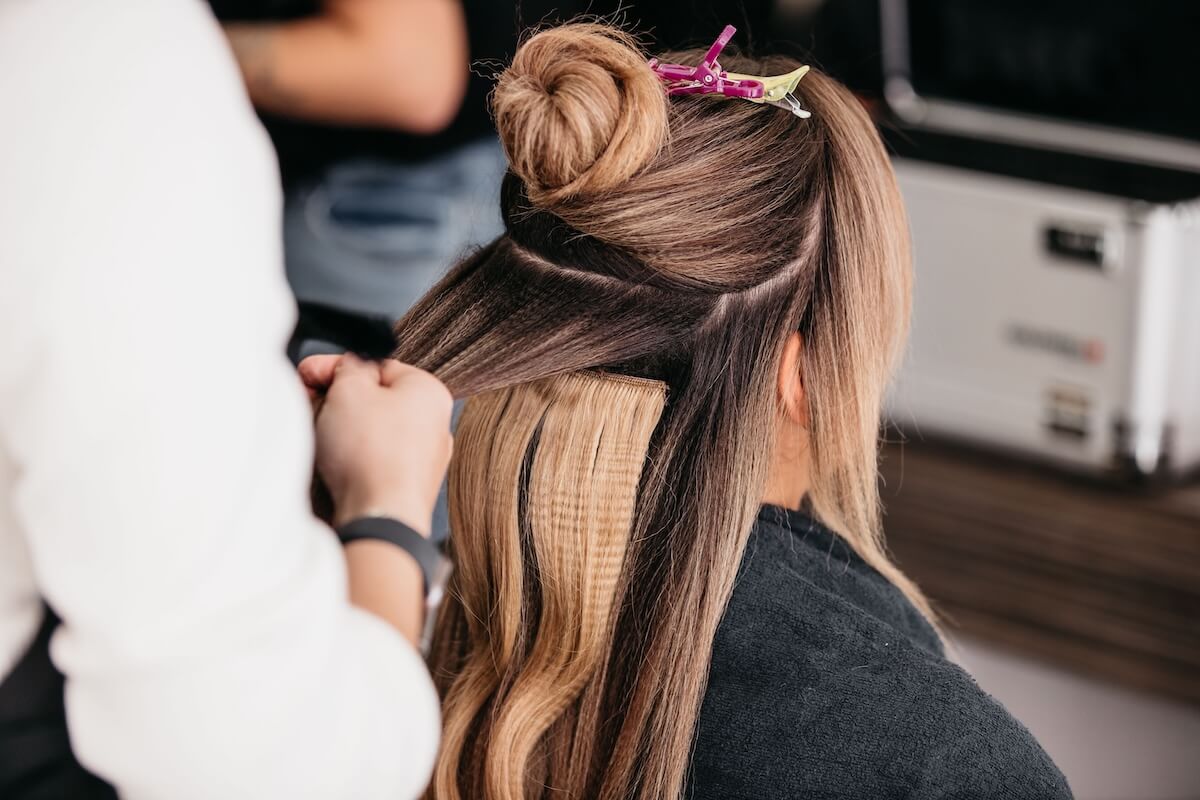
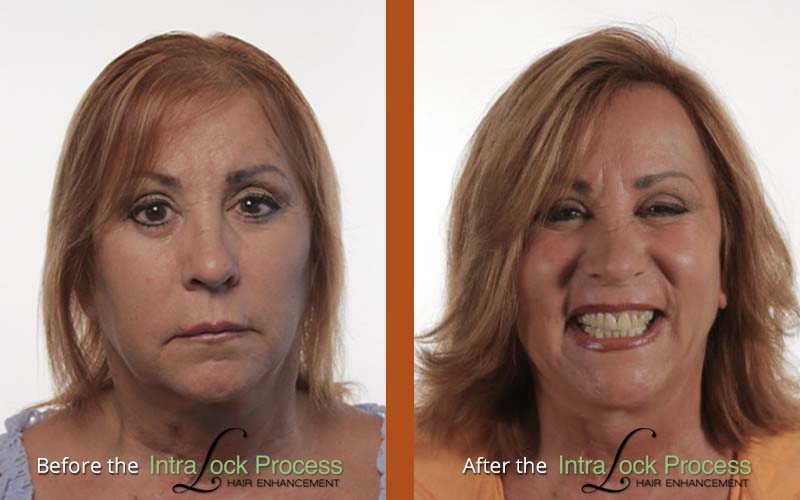
At Hair for Life Center, we don’t treat every cause the same way — because they aren’t. We take the time to understand what you’re experiencing before recommending anything. Our Intralock Process is a restoration technique that works regardless of the cause — no surgery, no glues, no downtime, and results you can see the same day.
See before and after results from women we’ve worked with, then schedule a free consultation to talk through your options.
Frequently Asked Questions
What is the most common cause of hair loss in women?
Hormonal changes are among the most common causes of hair loss in women, particularly those related to menopause, perimenopause, thyroid dysfunction, and postpartum recovery. Chronic stress, nutritional deficiencies, alopecia, and chemical damage are also frequently seen. In many cases, more than one factor is contributing simultaneously.
Can hair loss in women be permanent?
It depends on the cause and how long the follicle has been inactive. Some forms of hair loss — like postpartum shedding or stress-related telogen effluvium — often resolve on their own. Others, like long-standing alopecia or advanced hormonal loss, may not fully reverse. Non-surgical restoration options like the Intralock™ Process can restore a full, natural appearance regardless of whether regrowth is possible.
At what age do women typically start losing hair?
Hair loss can begin at any age. Trichotillomania often develops between ages 9 and 13. Postpartum shedding affects women in their 20s and 30s. Hormonal thinning becomes more common in the 40s and 50s around perimenopause and menopause. Chemotherapy-related loss can occur at any age. There is no single age threshold — which is why monitoring changes early matters.
How do I know what’s causing my hair loss?
Start with a visit to your primary care physician or dermatologist. A blood panel can identify hormonal imbalances, thyroid issues, and nutritional deficiencies. A hair and scalp assessment — like the free consultation we offer at Hair for Life Center — can help identify the pattern of loss and point toward the most likely cause and the best options for your situation.
Sources: American Academy of Dermatology — Hair Loss · American Cancer Society — Hair Loss